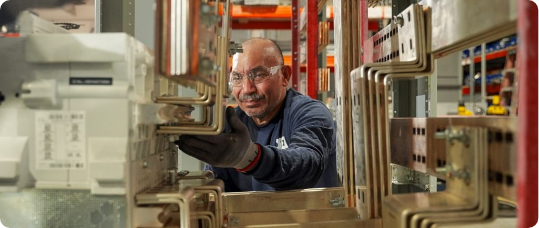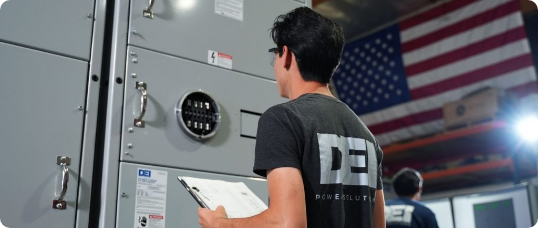

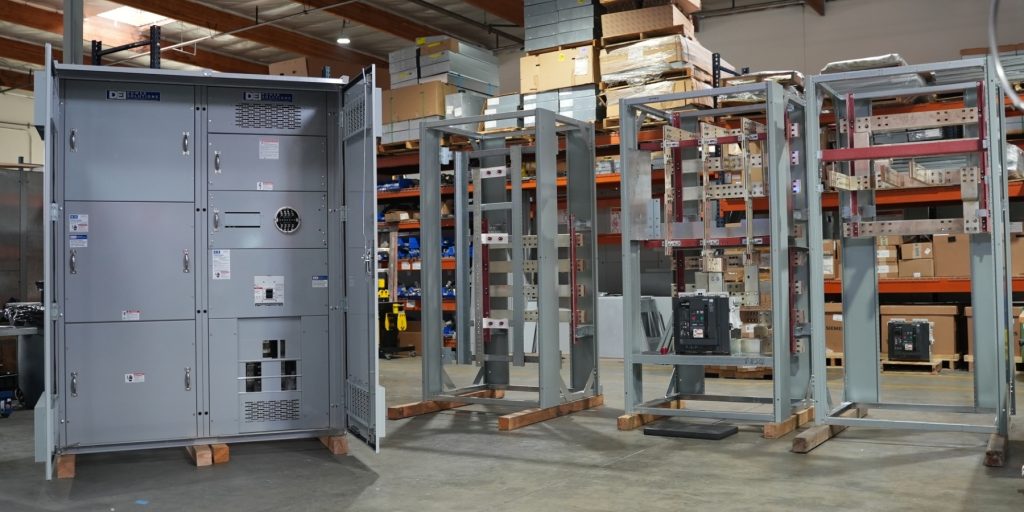
Switchgear is one of the most important pieces of any electrical distribution system. It protects equipment, separates faults, and helps keep power running safely — whether it’s in a factory, a commercial building, or a data center. When switchgear fails, the ripple effects can be serious such as downtime, damaged equipment, safety risks, and expensive emergency repairs. The good news is that most switchgear failures come from a few familiar issues, and many of them are avoidable if you catch them early.
Let’s walk through the real-world causes of switchgear failure and steps that you can step to mitigate your risk from switchgear failure.
Heat from Loose Connections
If there’s one reason switchgear fails, it’s heat building up where it shouldn’t. Heat often comes from something simple: a loose, aging, or high-resistance connection. Even a slightly under-torqued lug or a connector that’s starting to oxidize can turn into a hot spot. Over time, those hot spots damage insulation, weaken metal parts, and raise the chance of a fault.
What helps most here is consistency. Torque checks aren’t exciting, but they work. Pair that with thermal imaging inspections (infrared scans) and you can spot heat problems long before they turn into failures. NFPA 70B also emphasizes thermography as part of a strong maintenance program.
Insulation Challenges
Another major driver of failures is insulation that’s slowly wearing out. This happens for a variety of reasons which include heat, moisture, dust, vibration, and just plain aging. The tricky part is that insulation problems don’t always announce themselves and can be underlying or hidden.
The practical fix is routine testing. Insulation resistance testing gives you a snapshot of material health, and repeated tests help you see trends. Combine that with good cleaning and moisture control, and you can prevent a lot of “surprise” failures.
Mechanical Wear
Even in modern low-voltage switchgear, there are still mechanical systems at work — especially inside breakers. If breakers almost never operate, parts can stiffen, lubricants dry out, and springs weaken. When a real fault occurs, the breaker may not respond as smoothly or quickly as it should.
That’s why breaker “exercise” matters. Operating breakers on a schedule keeps mechanisms moving and surfaces clean. When paired with inspections to check for contact wear or sluggish motion, it cuts down the risk of mechanical failure when it matters most.
Environmental Conditions Matter the Most
Switchgear is built to be tough however they can be susceptible to real environments with harsh conditions. Dust can choke airflow and trap heat. Moisture can trigger corrosion or weaken insulation. Industrial contaminants and coastal salt air can speed up degradation.
The prevention side is mostly about keeping the electrical room stable and clean: good ventilation, humidity control, sealed enclosures, and regular inspection of filters and vents. These sound small, but over years they make the difference between gear that lasts and gear that fails early.
Gaps with Installation and Commissioning
Not every problem comes from old equipment. Some begin during installation: mismatched ratings, incorrect torque, misalignment, or rushed commissioning. Those issues may not show up right away — they often wait until the system is under stress.
A careful commissioning process reduces risk a lot. Verifying breaker ratings, inspecting bus connections, documenting baseline tests, and confirming correct assembly ensures you aren’t starting with hidden weak points.
Maintenance is Key for your Equipment
When you step back, most failures point to the same root issue: inconsistent or delayed switchgear maintenance. Switchgear is designed for long service life, but only if it’s kept in the right conditions and inspected on a real schedule.
Recommended maintenance for your equipment should include visual inspection and cleaning, torque verification, breaker exercising, insulation testing, thermal imaging, and current review of the relay and/or event logs if available. Consistent and reliable inspection takes time but the long-term benefit is fewer emergency shutdowns, longer equipment life and better electrical distribution reliability overall.
DEI Power Solutions
If you want to learn more about our switchgear performance, design, or manufacturing that supports reliability and efficiency for your next project, please visit our website at https://deipowersolutions.com/ or give us a call at 866-773-8050.