
Switchgear is often described as the backbone of an electrical distribution system, but its role extends far beyond simply routing power from one point to another. In industrial facilities, data centers, commercial buildings, and critical infrastructure, switchgear is responsible for protecting equipment, isolating faults, and enabling safe operation under both normal and abnormal conditions. When switchgear is engineered well, it supports uptime, safety, and long-term system performance. When it is not, it can introduce operational risk, unexpected outages, and costly corrective work.
High-quality switchgear engineering is not a single design choice or component selection. It is a coordinated process that blends electrical analysis, mechanical design, safety considerations, and long-term operational planning. For engineers, contractors, procurement teams, and facility owners alike, understanding what distinguishes high-quality engineering from basic compliance helps reduce risk and leads to more predictable outcomes over the life of a facility.
Switchgear Engineering Goes Beyond Basic Compliance
Most switchgear installed in the U.S. must comply with recognized safety standards, such as UL 891 for low-voltage switchgear. These standards establish baseline requirements for short-circuit withstand capability, temperature rise, construction methods, and safe operation. Compliance is essential, but it represents the minimum threshold, not the full measure of quality.
High-quality switchgear engineering builds on those standards by addressing how the equipment will actually perform within a specific electrical system. This includes how loads will evolve, how faults will be cleared, how maintenance will be performed, and how future expansion will be accommodated. Two switchgear lineups may both meet UL requirements, yet one may be far better suited to the real-world demands of a particular facility.
System Studies Form the Foundation of Good Design
Every effective switchgear design begins with a clear understanding of the electrical system it serves. Load calculations, short-circuit studies, and protective device coordination are fundamental engineering tools that guide decisions about breaker selection, bus ratings, and protection strategy.
When these studies are incomplete or based on assumptions, problems often emerge later in operation. Switchgear may experience nuisance tripping, excessive heating, or difficulty isolating faults selectively. These issues are rarely random; they are usually the result of early engineering gaps.
High-quality engineering ensures that switchgear is designed around accurate system data rather than best guesses. This improves system stability, simplifies troubleshooting, and helps the electrical distribution system remain resilient as conditions change.
Safety Is Designed Into the System
Electrical safety is one of the most critical reasons switchgear engineering matters. Faults can release significant energy in milliseconds, and engineering decisions directly influence how that energy is managed. Well-engineered switchgear incorporates safety considerations from the earliest design stages.
Compartmentalization, bus spacing, insulation systems, and enclosure design all affect how faults are contained and how personnel interact with energized equipment. Engineering also determines how arc-flash risk is addressed through protection settings, maintenance modes, and isolation capabilities.
While safety features can sometimes be added later, retrofitting is rarely as effective as designing safety into the system from the beginning. High-quality engineering helps ensure that switchgear not only operates reliably but also fails safely when abnormal events occur.
Reliability Is the Result of Many Engineering Decisions
Reliability is not the outcome of a single component choice. It emerges from how multiple engineering decisions work together. Breaker type and rating affect how faults are interrupted. Bus configuration influences temperature rise and voltage drop. Protection coordination determines whether faults are isolated locally or cascade through the system.
Switchgear engineering must also reflect the facility’s operating profile. Systems designed for steady, moderate loads may struggle in environments with frequent motor starts, rapid load changes, or high-density computing equipment. High-quality engineering accounts for these characteristics and reduces the likelihood that switchgear becomes a limiting factor in facility operations.
In environments where downtime is expensive or disruptive, these engineering choices directly affect business continuity.
Thermal Performance and Long-Term Stress
Thermal behavior is one of the most overlooked aspects of switchgear engineering. As electrical loads increase and facilities become denser, managing heat becomes more challenging. Engineering decisions related to conductor sizing, bus layout, ventilation, and enclosure design all influence how heat is dissipated.
Poor thermal performance may not cause immediate failure, but it can accelerate insulation aging, loosen connections over time, and reduce equipment lifespan. High-quality switchgear engineering considers both peak loads and continuous operating conditions to maintain healthy thermal margins.
By addressing thermal performance early, engineers help ensure switchgear remains reliable not just at startup, but throughout decades of service.
Maintainability Is an Engineering Consideration
Switchgear is expected to operate for many years, and how it is maintained has a direct impact on reliability and safety. Engineering decisions influence how easily technicians can access components, interpret labeling, and perform routine inspections.
Layouts that are logical and well-documented reduce the likelihood of human error. Clear separation of sections and adequate working space support safer maintenance practices. Engineering that prioritizes maintainability helps ensure that necessary service is performed consistently rather than deferred because equipment is difficult to work on.
Lifecycle planning is also part of maintainability. Facilities that expect growth benefit from switchgear engineered with spare capacity and expansion paths, reducing the need for disruptive modifications later.
Custom Engineering Versus Standard Configurations
While standardized switchgear can be appropriate for some applications, many facilities benefit from custom-engineered switchgear. Custom engineering allows systems to be tailored to specific load profiles, redundancy requirements, space constraints, and operational priorities.
This does not mean unnecessary complexity. Instead, it ensures that the switchgear aligns with how the facility actually operates. Custom engineering can simplify installation, improve serviceability, and support future changes more effectively than one-size-fits-all solutions.
For projects with tight schedules, high power density, or unique site conditions, custom engineering often provides better long-term value.
Manufacturing Quality Brings Engineering to Life
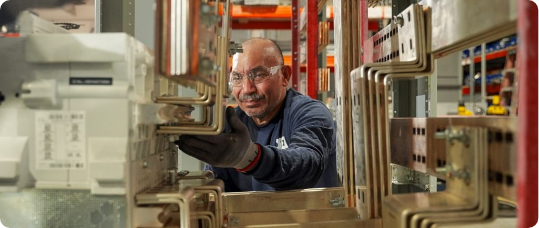
Even the best engineering depends on execution. Manufacturing quality determines whether a design performs as intended once installed. Precision bus fabrication, consistent torqueing, proper conductor routing, and thorough factory testing all influence real-world performance.
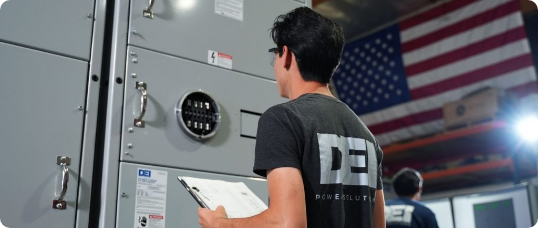
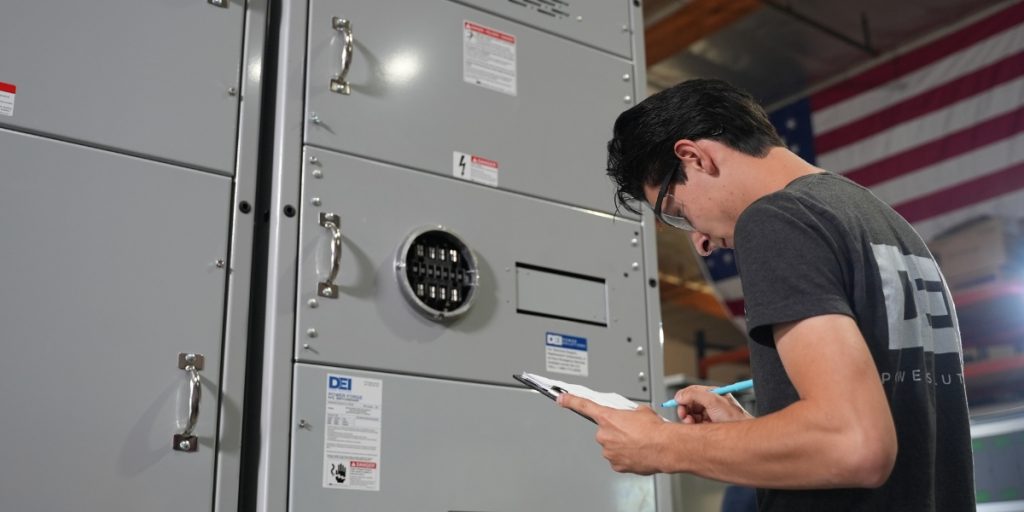
High-quality switchgear manufacturing ensures that engineered designs are built accurately and repeatably. Factory testing helps identify issues before equipment reaches the field, reducing commissioning delays and early operational problems.
When engineering and manufacturing are aligned, switchgear is more likely to meet both performance and schedule expectations.
Coordination Across Project Teams
Switchgear engineering does not occur in isolation. It must align with architectural layouts, structural requirements, mechanical systems, and construction sequencing. High-quality engineering accounts for these interfaces early, reducing conflicts and rework during installation.
Early coordination also helps procurement teams understand lead times and allows contractors to plan installations more efficiently. This reduces schedule risk and supports smoother project execution.
Why Engineering Quality Matters to Every Stakeholder
Engineers rely on high-quality engineering to ensure systems perform as designed and comply with applicable codes. Contractors benefit from clearer documentation and fewer field conflicts. Procurement teams see fewer change orders and better alignment between specifications and delivered equipment. Owners and operators gain safer, more reliable systems with lower lifecycle risk.
High-quality switchgear engineering is one of the few areas where all stakeholders benefit from the same investment in rigor and planning.
Learn More About High-Quality Switchgear Engineering
Switchgear is too critical to be treated as a commodity. High-quality engineering helps ensure switchgear supports safety, reliability, maintainability, and long-term facility goals as electrical systems grow more complex.
To learn more about switchgear engineering, UL 891 switchgear, and custom-engineered electrical distribution solutions, visit our website at https://deipowersolutions.com/.
You can also reach our team directly at 866-773-8050 to discuss engineering considerations for your facility or project.