

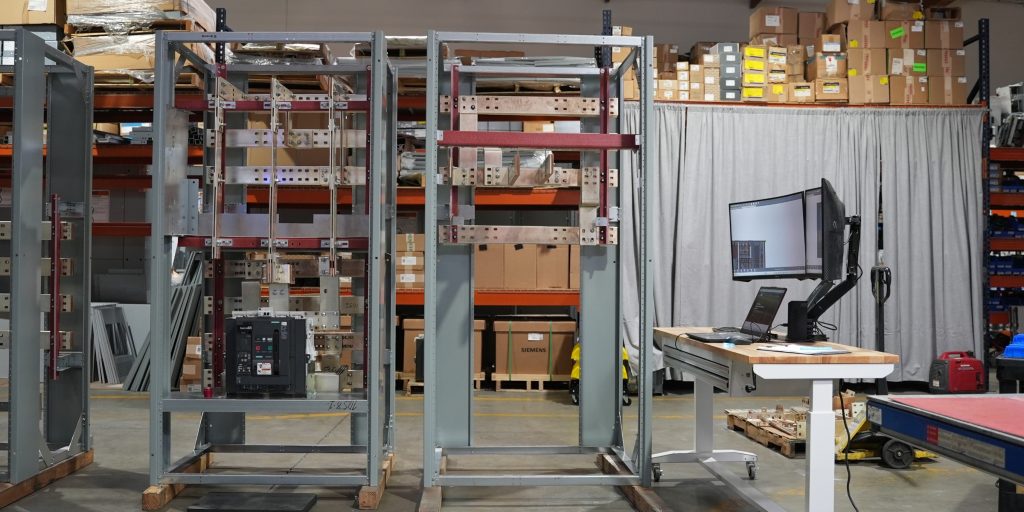
Electrical systems are rarely static. Facilities evolve over time as production increases, equipment changes, and operational demands grow. At the center of these systems is switchgear, the equipment responsible for receiving electrical power, distributing it throughout a facility, and protecting the system when abnormal conditions occur.
For engineers responsible for designing electrical distribution systems, understanding how a facility consumes power is essential before specifying switchgear. This consumption pattern is commonly referred to as an electrical load profile. Load profiles describe how much electrical power a facility uses, how that demand fluctuates throughout the day or across operating cycles, and which types of equipment are drawing that power.
These patterns directly influence how switchgear must be engineered. The capacity of the equipment, the configuration of protective devices, and the layout of the distribution system are all shaped by the electrical load characteristics of the facility. When load profiles are understood and incorporated into design decisions, switchgear can support reliable operations and future expansion. When they are overlooked or misunderstood, electrical systems may face performance limitations, safety risks, or costly modifications later in the facility lifecycle.
Understanding how electrical load profiles influence switchgear design is therefore a fundamental part of building reliable electrical infrastructure.
What an Electrical Load Profile Represents
An electrical load profile is essentially a detailed picture of how electricity is consumed within a facility over time. Rather than simply identifying the total amount of power required, load profiles show how that demand behaves under real operating conditions.
In many facilities, electrical demand changes throughout the day as equipment starts and stops, production cycles vary, or environmental systems respond to changing conditions. Manufacturing plants may experience large spikes in demand when heavy machinery begins operation. Data centers often maintain consistent base loads but may experience fluctuations as computing workloads shift. Commercial buildings may see peaks in demand during business hours when lighting, HVAC systems, and equipment are operating simultaneously.
Engineers analyze these patterns to determine not only how much power a system must handle but also how that power behaves dynamically. This information is critical when designing switchgear because it helps ensure that the electrical system can accommodate both average operating loads and temporary peak conditions.
Why Load Profiles Matter in Switchgear Engineering
Switchgear must be designed to safely carry electrical current under normal operating conditions while also responding effectively when abnormal events occur. If engineers were to size switchgear only according to theoretical maximum load values, systems could become unnecessarily large and inefficient. On the other hand, designing equipment based solely on average load conditions may leave insufficient capacity to handle peak demand.
Load profile analysis allows engineers to strike the right balance. By understanding how power is used across the facility, engineers can determine the appropriate ratings for switchgear components such as bus bars, circuit breakers, and protective devices.
For example, equipment that draws high inrush current during startup may require circuit breakers capable of handling temporary surges without tripping unnecessarily. Similarly, facilities with continuous high loads require switchgear capable of managing sustained current flow without excessive heat buildup.
In this way, electrical load profiles help engineers design switchgear systems that operate efficiently while maintaining reliability and safety.
Determining Electrical Capacity Requirements
One of the most visible ways load profiles influence switchgear design is through capacity planning. Switchgear must be able to carry the electrical current required by the facility while maintaining appropriate safety margins.
Engineers begin by evaluating the total connected load within the facility. This includes production equipment, mechanical systems, lighting, information technology infrastructure, and other electrical components. However, not all equipment operates simultaneously or at full capacity. Load profile analysis helps determine the actual demand levels the system will experience during normal operation.
Using this information, engineers calculate demand factors and diversity factors that help refine capacity requirements. These calculations ensure that switchgear is sized appropriately to handle realistic operating conditions rather than theoretical worst-case scenarios.
Proper capacity planning helps prevent equipment overheating, nuisance breaker trips, and unnecessary infrastructure costs.
Managing Peak Demand and Load Variability
Electrical demand often fluctuates depending on how equipment operates. Facilities with large motors, compressors, or industrial equipment may experience sudden increases in electrical demand when these machines start or cycle.
Switchgear must be capable of managing these peaks without causing unnecessary interruptions to the electrical system. Engineers evaluate the magnitude and frequency of load spikes to determine how protective devices should be configured.
Circuit breakers and protective relays must distinguish between temporary load increases that occur during normal operation and genuine fault conditions that require immediate interruption of power. If switchgear protection is not coordinated correctly, routine load variations could trigger unnecessary shutdowns.
By understanding load variability, engineers can configure switchgear systems to respond appropriately to both routine operations and abnormal events.
Influence on Protective Device Coordination
Protective device coordination is another area where electrical load profiles influence switchgear design. Protective coordination refers to the process of ensuring that circuit breakers and other protective devices operate in the correct sequence during electrical faults.
When a fault occurs, the protective device closest to the fault should interrupt the circuit first. This isolates the affected portion of the system while allowing the rest of the facility to continue operating.
Load profiles help engineers determine how electrical current flows through the system during both normal and abnormal conditions. This information allows protective devices to be calibrated so that they respond correctly to faults without interfering with normal operational load variations.
Proper coordination is critical for maintaining reliability in complex electrical distribution systems.
Thermal Performance and Continuous Load Considerations
Switchgear components must also be designed to manage the heat generated by electrical current. As current flows through conductors and bus bars, heat is produced due to electrical resistance. Over time, excessive heat can degrade insulation, weaken connections, and shorten equipment lifespan.
Facilities with high continuous loads place additional thermal demands on switchgear. Data centers, for example, often operate with electrical loads that remain steady around the clock. Manufacturing facilities may operate heavy equipment for extended periods during production shifts.
Engineers use load profile data to evaluate how much current will flow through the system over time. This information helps determine the appropriate conductor sizes, bus configurations, and ventilation strategies required to manage thermal conditions within the switchgear enclosure.
Managing heat effectively ensures that switchgear maintains stable performance over its intended service life.
Supporting Future Expansion
Load profiles are not only useful for understanding current electrical demand. They also help engineers anticipate how power requirements may evolve as facilities expand.
Facilities often grow by adding production lines, increasing computing capacity, or installing new equipment. Electrical systems that are designed solely around current demand may require significant modifications when expansion occurs.
By analyzing load profiles and forecasting future demand, engineers can design switchgear systems that accommodate growth. This may include reserving space for additional circuit breakers, designing bus systems with extra capacity, or allowing for modular switchgear expansion.
Planning for future growth helps reduce long-term infrastructure costs and avoids operational disruptions when facilities evolve.
Manufacturing Quality and Load Performance
Once engineers have defined the electrical requirements for switchgear based on load profiles, manufacturing quality becomes critical. The equipment must be built precisely to handle the electrical loads and operational conditions identified during the design process.
Manufacturing practices such as proper bus bar alignment, accurate torqueing of electrical connections, and consistent installation of protective devices directly influence how well switchgear performs under load. Even minor variations in assembly quality can affect electrical resistance, heat generation, and overall system reliability.
Switchgear built to recognized standards such as UL 891 provides an additional level of assurance that the equipment has been evaluated for safety and performance under defined conditions.
Reliable manufacturing ensures that switchgear performs as intended when exposed to real-world electrical loads.
Designing Electrical Infrastructure Around Real Demand
Electrical load profiles provide the foundation for designing effective power distribution systems. They allow engineers to move beyond simplified assumptions and design infrastructure that reflects how facilities actually operate.
By understanding how electrical demand behaves over time, engineers can configure switchgear systems that support stable operations, respond effectively to abnormal events, and adapt to future growth. This approach reduces operational risk and ensures that electrical infrastructure remains aligned with the evolving needs of the facility.
Reliable electrical systems begin with accurate understanding of how power is used.
Learn More About Switchgear Design and Electrical Infrastructure
Electrical load profiles play a central role in how switchgear systems are engineered, manufactured, and integrated into modern facilities. Careful analysis of electrical demand helps ensure that switchgear performs reliably under real operating conditions while supporting long-term infrastructure growth.
At DEI Power Solutions, we focus on designing and manufacturing UL 891 low-voltage switchgear that supports the complex electrical requirements of modern facilities. Our engineering and manufacturing processes emphasize reliability, precision, and long-term system performance.
To learn more about our switchgear manufacturing capabilities and electrical distribution solutions, visit https://deipowersolutions.com/ or contact our team at 866-773-8050.