
Electrical distribution systems are built around reliability. Whether a facility is a data center, manufacturing plant, commercial building, or infrastructure project, the equipment responsible for distributing and protecting electrical power must perform consistently under demanding conditions. At the center of these systems is switchgear, which manages how electrical energy enters a facility, how it flows through the distribution network, and how faults are isolated when something goes wrong.
Because switchgear plays such a critical role in electrical infrastructure, engineers responsible for designing power distribution systems evaluate manufacturing quality very carefully. Reliable switchgear manufacturing is not simply about assembling components inside metal enclosures. It involves disciplined engineering, precise fabrication, thorough testing, and integration of components that work together safely and predictably over the life of the equipment.
Understanding what engineers look for in switchgear manufacturing helps explain why quality, standards, and engineering processes matter so much when specifying electrical distribution equipment.
The Role of Switchgear in Electrical Distribution Systems
Before examining what engineers expect from switchgear manufacturing, it is important to understand the role switchgear plays in electrical systems. Switchgear acts as the control center for electrical power distribution within a facility. Incoming power from the utility or on-site generation sources enters the switchgear and is then distributed to transformers, panelboards, and downstream electrical loads.
This equipment also performs several critical protective functions. Switchgear contains circuit breakers and protective devices that monitor electrical conditions and interrupt power when abnormal events occur. These events may include short circuits, overload conditions, or equipment failures within the distribution system.
When switchgear performs correctly, faults are isolated quickly and safely without interrupting power to unaffected parts of the facility. When switchgear is poorly engineered or manufactured, faults may propagate through the system, leading to widespread outages or equipment damage.
For engineers designing electrical infrastructure, reliable switchgear manufacturing therefore becomes a foundational requirement for system stability and safety.
Consistent Engineering and Design Discipline
One of the first aspects engineers evaluate in switchgear manufacturing is the engineering process itself. Switchgear assemblies are rarely standardized products that can be installed without customization. Each electrical distribution system is designed around specific load requirements, fault current levels, physical space constraints, and coordination with other electrical equipment.
Reliable switchgear manufacturing begins with disciplined engineering practices that translate project requirements into a well-integrated system design. Engineers responsible for specifying switchgear expect manufacturers to produce clear electrical drawings, detailed one-line diagrams, and coordinated protection schemes that align with the overall system architecture.
Design discipline ensures that each component within the switchgear assembly operates correctly within the larger electrical system. Without careful engineering, even high-quality components may not function as intended because the system configuration itself introduces conflicts or limitations.
For this reason, experienced engineering teams and well-defined design processes are often one of the most important indicators of manufacturing reliability.
Precision Manufacturing and Assembly Practices
After engineering is complete, manufacturing quality becomes the next critical factor. Switchgear operates under high electrical loads and must maintain stable performance for decades. This requires precision assembly and strict quality control throughout the manufacturing process.
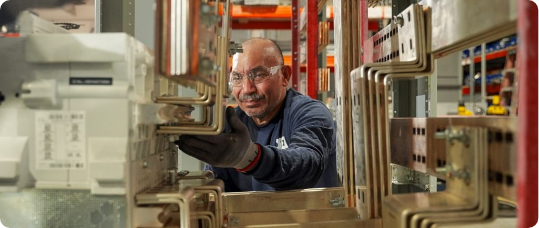
Engineers evaluating switchgear manufacturers pay close attention to how equipment is built. Bus bars must be properly aligned and supported to ensure stable current flow and minimize heat buildup. Electrical connections must be torqued to precise specifications to prevent loose connections that could lead to overheating or failure.
Consistent assembly practices ensure that every section of the switchgear lineup meets the same mechanical and electrical standards. Variations in assembly quality can introduce weak points within the system that only become apparent once the equipment is energized.
Reliable manufacturing processes help ensure that each switchgear assembly leaving the factory performs exactly as engineered.
Integration of Proven Electrical Components
Switchgear performance also depends on the components integrated within the assembly. Circuit breakers, protective relays, monitoring devices, and control systems must work together seamlessly to protect the electrical system and respond appropriately to abnormal conditions.
Engineers specifying switchgear often look for manufacturers that integrate components from established electrical equipment providers with proven performance records. Consistency across component product lines simplifies maintenance, improves system compatibility, and ensures long-term support availability.
OEM relationships also play a role in component integration. Manufacturers that are certified original equipment manufacturers (OEMs) for specific component providers demonstrate that their engineering and manufacturing processes have been reviewed and approved for proper component integration.
This level of certification gives engineers greater confidence that switchgear assemblies will perform reliably and remain serviceable over time.
Coordination with Other Electrical Studies
Short-circuit studies are often conducted alongside other electrical system analyses. These may include protective device coordination studies and arc-flash hazard studies. Each of these analyses relies on accurate fault current data to produce meaningful results.
Protective device coordination studies determine how circuit breakers and other protective devices should operate during faults. The goal is to ensure that the device closest to the fault interrupts the current first, isolating the affected portion of the system without unnecessarily shutting down the entire facility.
Arc-flash studies evaluate the potential energy released during fault events and help determine appropriate safety boundaries and protective equipment requirements.
Because these analyses depend on fault current calculations, short-circuit studies often form the foundation for broader electrical system safety planning.
Compliance with Industry Standards and Certifications
Industry standards are another key indicator of reliable switchgear manufacturing. Standards organizations establish testing and performance requirements to ensure that electrical equipment operates safely under defined conditions.
For low-voltage switchgear in the United States, UL 891 is one of the most widely recognized standards. Switchgear built to UL 891 must meet strict requirements for mechanical integrity, temperature rise limits, short-circuit withstand capability, and safe operation under abnormal electrical conditions.
Engineers rely on these standards because they provide independent verification that equipment has been evaluated against established safety criteria. While certification alone does not guarantee long-term reliability, it establishes a consistent baseline that allows engineers to compare equipment across manufacturers.
Manufacturers that consistently produce equipment meeting recognized standards demonstrate a commitment to quality and safety.
Thorough Factory Testing and Quality Assurance
Testing plays a critical role in verifying switchgear performance before equipment is delivered to a project site. Engineers often evaluate how thoroughly manufacturers test their equipment during production.
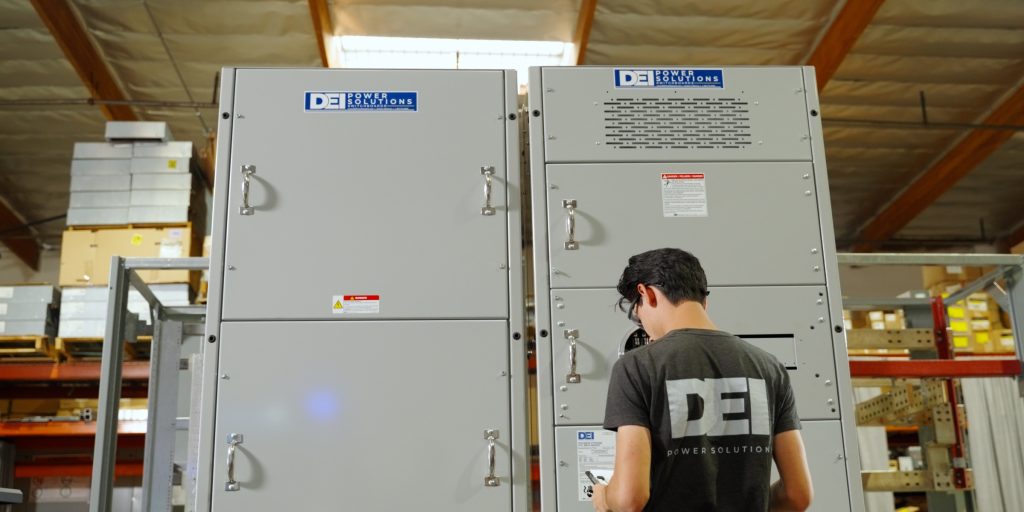
Factory testing may include mechanical inspections, electrical continuity checks, control wiring verification, and functional testing of circuit breakers and protective devices. These tests confirm that each component operates correctly and that the system behaves as intended.
Testing conducted in the controlled environment of a manufacturing facility allows issues to be identified and corrected before installation. This reduces the likelihood of commissioning delays or unexpected operational problems after equipment is energized.
Comprehensive testing programs provide additional confidence that switchgear assemblies will perform reliably once installed.
Maintainability and Long-Term Serviceability
Switchgear is expected to remain in service for decades, and maintenance access becomes an important factor in long-term reliability. Engineers look for designs that support safe inspection, testing, and component replacement over the life of the equipment.
Clear labeling, logical compartmentalization, and accessible layouts allow technicians to perform maintenance efficiently. Equipment that is difficult to access or poorly documented can lead to deferred maintenance and increased operational risk.
Manufacturers that prioritize maintainability during design help ensure that facility operators can sustain reliable performance long after the initial installation.
Manufacturing Experience and Technical Support
Engineering teams also consider the experience and technical expertise of switchgear manufacturers. Electrical infrastructure projects often involve complex coordination between design teams, contractors, utilities, and equipment suppliers.
Manufacturers with experienced engineering and production teams can provide valuable insight during project planning and equipment specification. Their familiarity with electrical distribution systems helps identify potential challenges early and allows solutions to be incorporated into the design process.
Technical support does not end once equipment is delivered. Reliable manufacturers continue to support their products through documentation, service guidance, and long-term parts availability.
Reliability as a Long-Term Investment
For engineers and decision-makers responsible for electrical infrastructure, switchgear manufacturing quality ultimately influences long-term system performance. Electrical distribution equipment that is engineered carefully, manufactured precisely, and tested thoroughly is far more likely to operate reliably over its lifespan.
Conversely, equipment that meets minimum requirements but lacks disciplined engineering and manufacturing practices may introduce hidden risks. These risks can appear years later in the form of maintenance challenges, unexpected failures, or operational disruptions.
Reliable switchgear manufacturing therefore represents more than a technical detail. It is a strategic investment in infrastructure stability, safety, and long-term operational success.
Learn More About Reliable Switchgear Manufacturing
Reliable switchgear manufacturing depends on disciplined engineering, precision assembly, proven components, and adherence to recognized industry standards. When these elements come together, electrical distribution equipment becomes a stable foundation for facility operations.
At DEI Power Solutions, we focus on delivering low-voltage switchgear engineered and manufactured with reliability, safety, and long-term performance in mind. Our UL 891 switchgear assemblies are designed to integrate seamlessly into complex electrical systems while supporting maintainability and future expansion.
To learn more about our switchgear manufacturing capabilities and electrical distribution solutions, visit https://deipowersolutions.com/ or contact our team at 866-773-8050.