
For company directors, CEOs, operations managers, and facility leaders, switchgear engineering may seem like a technical detail best left to engineers and contractors. While specialists do handle the design and specification, the quality of switchgear engineering ultimately affects outcomes that business leaders care deeply about: uptime, safety, schedule certainty, long-term operating cost, and risk exposure. Understanding why high-quality switchgear engineering matters even at a high level helps leaders ask better questions and make more informed decisions.
Switchgear plays a central role in whether a facility operates reliably, safely, and without costly interruptions. When switchgear works as intended, it is invisible. When it does not, the consequences can be immediate and expensive.
What Switchgear Does and Why It Matters
Switchgear is the equipment that receives electrical power and distributes it safely throughout a facility. It controls where power flows, protects equipment from electrical faults, and allows parts of the system to be isolated for maintenance or emergencies. In many facilities, switchgear sits at the center of the electrical system, feeding everything from production equipment and data infrastructure to lighting, HVAC, and life-safety systems.
Because of this central role, switchgear failures tend to have wide-reaching impacts. A problem in one section of switchgear can interrupt power to entire areas of a facility. In critical environments such as manufacturing plants, data centers, healthcare facilities, or large commercial buildings these interruptions can halt operations, disrupt services, or create safety concerns.
High-quality switchgear engineering focuses on ensuring that this critical equipment performs predictably under both normal operation and abnormal conditions.
Engineering Is More Than Just Assembling Equipment
While switchgear is physically made up of enclosures, breakers, and bus systems, its performance is defined by the engineering decisions behind those components. Effective switchgear engineering requires a clear understanding of how power flows through a facility, how loads are prioritized, and how the system must behave during both normal operation and abnormal events.
These decisions influence how reliably power is distributed, how faults are isolated without unnecessary disruption, and how the electrical system interfaces with utility service, on-site generation, or backup power. When engineering is approached as a checklist exercise, systems may meet minimum requirements but leave little margin for error. Over time, this can show up as operational fragility, limited flexibility, or increased maintenance risk.
High-quality switchgear engineering takes a more deliberate approach. It considers real operating conditions, future system demands, and how the equipment will be accessed and maintained over its life. For business leaders, the practical impact is straightforward: well-engineered switchgear supports stable operations and long-term objectives, while poorly engineered systems often introduce hidden risks that surface at the worst possible time.
Why Reliability Is a Business Issue, Not Just a Technical One
Electrical reliability is often viewed as an engineering concern, but its consequences are felt at the operational and financial levels. Unplanned outages can lead to lost production, missed deadlines, damaged equipment, and reputational harm. Even short interruptions can create cascading effects that take hours or days to resolve.
High-quality switchgear engineering improves reliability by ensuring that the system responds appropriately when problems occur. For example, if a fault happens in one area, well-engineered switchgear isolates that issue locally rather than shutting down large portions of the facility. This selective response minimizes disruption and allows operations to continue elsewhere.
From a leadership perspective, investing in engineering quality is a way to reduce the likelihood and impact of costly interruptions, saving more money in the long run.
Safety Risks Extend Beyond Compliance
Most facilities are required to meet electrical safety codes and standards, such as UL certifications for equipment. While compliance is essential, it represents a baseline rather than a guarantee of optimal safety.
High-quality switchgear engineering goes beyond minimum requirements by considering how people interact with the equipment during normal operation and maintenance. Engineering decisions influence how faults are contained, how energy is released during abnormal events, and how safely technicians can perform inspections or repairs.
For business leaders, safety is not just a regulatory issue. Workplace incidents can result in injury, liability, lost productivity, and long-term reputational damage. Switchgear that is thoughtfully engineered helps reduce these risks by behaving predictably under stress and supporting safer maintenance practices.
The Cost of Poor Engineering Often Appears Later
One of the challenges with switchgear engineering is that poor decisions are not always obvious at installation. Systems may operate acceptably for years before problems emerge. When issues do arise, they often appear as maintenance challenges, unexpected outages, or difficulty expanding capacity.
For example, switchgear that was not engineered with long-term capacity and flexibility in mind may require costly modifications when a facility expands. Systems that are difficult to maintain may experience deferred maintenance, increasing the likelihood of failure over time. In these cases, the true cost of poor engineering becomes apparent long after the initial project is complete.
High-quality engineering takes a lifecycle perspective, recognizing that switchgear is expected to perform reliably for decades, not just at startup.
Why Maintainability Matters to Operations
Maintenance is not an optional activity for switchgear—it is an essential part of keeping electrical systems reliable and safe over time. Even well-designed electrical equipment is subject to wear, environmental exposure, and gradual degradation. Connections can loosen, insulation can age, and protective devices require periodic inspection and testing to ensure they will perform correctly when needed.
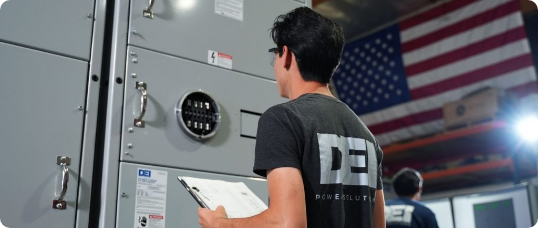
For operations teams, the ease with which switchgear can be maintained has a direct impact on reliability. When equipment is designed with clear layouts, logical compartmentalization, and proper labeling, maintenance tasks can be performed efficiently and with confidence. Technicians can quickly identify components, understand system configuration, and complete inspections or testing without unnecessary risk or guesswork. This clarity encourages routine maintenance rather than deferring work because the equipment is difficult to access or understand.
By contrast, switchgear that is poorly engineered from a maintenance perspective often leads to delays and shortcuts. Crowded enclosures, unclear documentation, or inconsistent labeling can make routine tasks time-consuming and intimidating. Over time, this increases the likelihood that maintenance will be postponed, incomplete, or performed under less-than-ideal conditions. The result is higher operational risk and a greater chance of unexpected failures.
High-quality switchgear engineering recognizes that maintenance will be performed by people, not drawings. It prioritizes safe access, intuitive organization, and comprehensive documentation so that operations teams can maintain the system as intended. When maintenance is straightforward and well-supported, facilities benefit from improved uptime, safer working conditions, and a clearer understanding of system health. For operations leaders, this translates into fewer surprises, more predictable performance, and greater confidence that critical electrical infrastructure will support daily operations.
Planning for Change and Growth
Very few facilities operate exactly the same way for their entire lifespan. Business priorities shift, production lines are added, technology evolves, and power demands often increase over time. Switchgear sits at the center of these changes because it determines how easily electrical systems can adapt to new requirements.
High-quality switchgear engineering accounts for this reality from the outset. Rather than designing systems solely around current loads, thoughtful engineering considers how a facility might grow or change over the next ten, twenty, or even thirty years. This may include allowing space for additional feeders, incorporating spare capacity, or configuring equipment so future modifications can be made without major disruption.
When systems are not engineered with change in mind, even modest expansions can become expensive and disruptive. Adding new equipment may require shutting down large portions of the electrical system or replacing components that were never intended to be modified. For business leaders, this translates into unplanned capital expenses and operational downtime. Engineering that anticipates growth helps organizations remain agile while protecting long-term investments.
Engineering Quality Must Carry Through Manufacturing
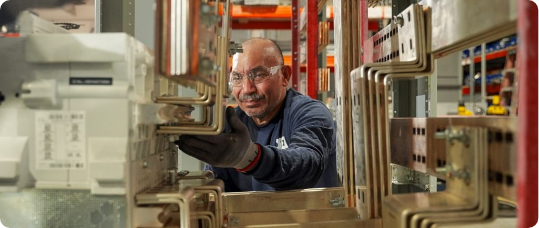
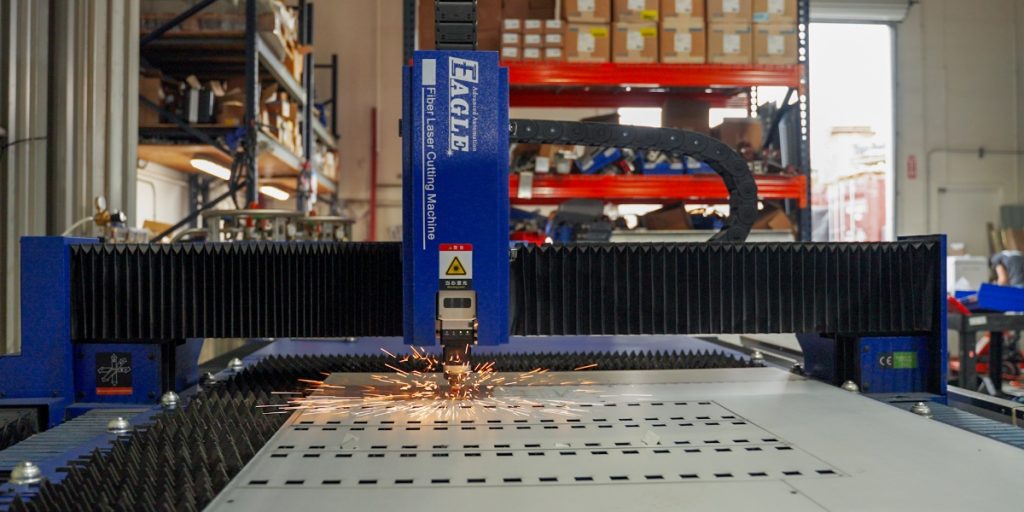
Engineering quality must be carried through manufacturing to deliver reliable switchgear. Even the most thoughtful design can fall short if manufacturing practices are inconsistent or poorly controlled. Precision assembly, proper installation of components, and thorough testing all play a role in how equipment performs once it is energized.
Component integration is part of carrying the design through manufacturing. Decision-makers should ask what each manufacturer approval covers and who will support the components over the equipment’s service life.
Why Leadership Awareness Matters
While engineers and contractors handle the technical details of switchgear design, leadership awareness plays a critical role in project success. Leaders influence priorities, budgets, and timelines, and these decisions shape how engineering is approached.
When leadership understands the importance of switchgear engineering, it becomes easier to support early planning, realistic schedules, and quality-driven decisions. This awareness helps prevent situations where cost or schedule pressures unintentionally compromise long-term reliability or safety.
Leadership involvement does not require deep technical expertise. It requires recognizing that switchgear engineering directly affects operational continuity, risk exposure, and long-term cost. Leaders who ask informed questions and encourage collaboration across teams create conditions for better outcomes.
Making Informed Decisions About Switchgear Engineering
High-quality switchgear engineering is not about selecting the most complex or expensive solution. It is about ensuring that electrical systems are designed to support the real needs of the organization over time. This includes reliability, safety, maintainability, and flexibility.
For decision-makers, informed choices begin with understanding how engineering quality affects outcomes beyond installation. Poor engineering often reveals itself later, through maintenance challenges, unplanned outages, or costly upgrades. Strong engineering, by contrast, quietly supports daily operations and long-term stability.
Organizations that treat switchgear engineering as a strategic investment rather than a technical detail are better positioned to manage risk, control costs, and adapt to change. Asking the right questions early and engaging partners who prioritize engineering quality helps ensure electrical infrastructure supports business goals rather than constraining them.
Talk to an Expert About Your Switchgear Project
High-quality switchgear engineering reflects a long-term mindset. It requires careful attention to system design, thoughtful component selection, and a clear understanding of how electrical equipment will be used, maintained, and adapted over time. When these elements are addressed early and carried through manufacturing, switchgear becomes a reliable foundation rather than a source of uncertainty.
At DEI Power Solutions, we build UL 891 low-voltage switchboards as a Siemens Approved OEM, with electrical engineering, metal fabrication, copper busbar machining and final assembly in-house at our Jurupa Valley, California facility.
For our customers, building this way is intended to create confidence not just at installation, but throughout the life of the system. Reliable switchgear is rarely noticed when it is working as intended, but it plays a critical role in supporting daily operations and long-term facility goals. For the engineering detail behind these decisions, see “What Makes High-Quality Switchgear Engineering So Important?” To discuss a project, call 866.773.8050 or email sales@deipower.com.