

Electrical distribution systems are designed to deliver power safely and reliably throughout a facility. Whether the environment is a data center, manufacturing plant, commercial building, or infrastructure project, electrical equipment must operate under normal conditions while also protecting the system during abnormal events. One of the most important tools engineers use to evaluate these conditions is a short-circuit study.
A short-circuit study analyzes how electrical current behaves during fault events such as equipment failures, insulation breakdowns, or accidental conductor contact. These events can produce extremely high current levels within the electrical system, and the equipment responsible for controlling and interrupting that current must be designed to handle those conditions safely.
For this reason, short-circuit studies are not simply a technical exercise performed after equipment is selected. They should play a central role in determining which electrical distribution equipment is appropriate for a given facility. When equipment selection is guided by accurate fault current analysis, electrical systems are more likely to operate safely, comply with applicable standards, and maintain long-term reliability.
Understanding why short-circuit studies should drive equipment selection helps engineers, contractors, and decision-makers build electrical infrastructure that performs reliably under both normal and abnormal conditions.
What a Short-Circuit Study Evaluates
A short-circuit study examines the electrical system to determine how much current will flow if a fault occurs. A fault may happen when conductors unintentionally connect due to insulation failure, equipment damage, or environmental conditions. When this occurs, electrical current can increase dramatically, sometimes reaching levels far beyond the system’s normal operating current.
Engineers perform short-circuit studies to calculate these potential fault current levels throughout the electrical distribution system. The analysis considers the power sources feeding the system, such as utility connections, generators, or renewable energy systems. It also evaluates transformers, conductors, and other equipment that influence how electrical current flows during a fault.
The results of the study indicate the maximum fault current that electrical equipment may experience. This information is essential when specifying switchgear, circuit breakers, and other protective devices because those components must be capable of interrupting or withstanding the calculated current levels.
Without accurate fault current data, equipment may be selected based on assumptions rather than verified system behavior.
Why Fault Current Levels Matter for Equipment Selection
Electrical equipment used in power distribution systems must be designed to safely manage both normal operating currents and fault currents. While normal operating currents reflect the power required by facility loads, fault currents can be several times higher and occur suddenly.
Circuit breakers, switchgear bus systems, and other electrical components are rated to withstand and interrupt specific levels of short-circuit current. If the available fault current in the system exceeds the equipment’s rating, the equipment may not perform safely during a fault event.
For example, a circuit breaker designed to interrupt 25,000 amperes of fault current cannot safely interrupt a fault that produces 35,000 amperes. If a breaker with insufficient rating is installed in such a system, the device may fail during a fault, potentially causing equipment damage, arc-flash hazards, or widespread power disruption.
Short-circuit studies help engineers ensure that equipment ratings align with actual system conditions.
The Relationship Between Short-Circuit Studies and Switchgear Design
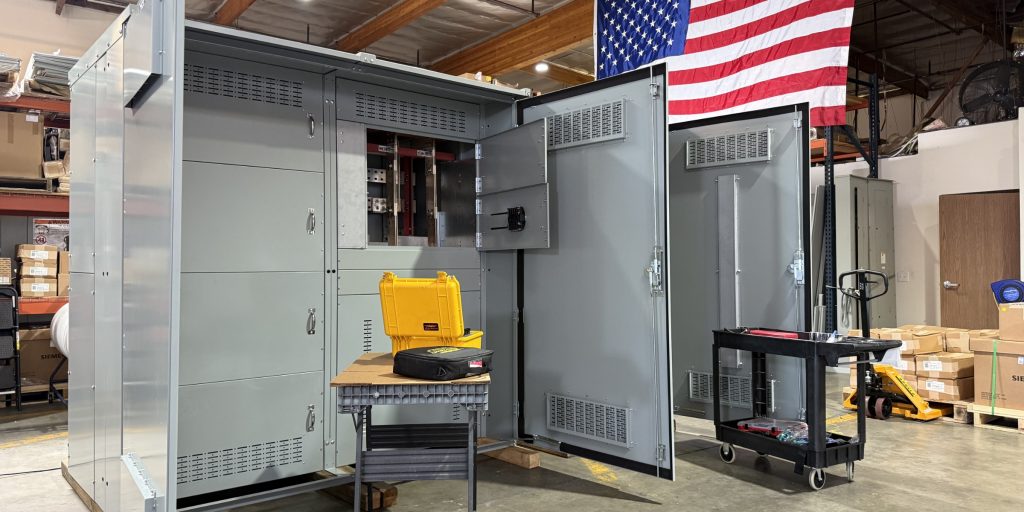
Switchgear serves as the central hub of electrical distribution systems. It receives incoming power from utility sources or generators and distributes that power to downstream equipment such as transformers and panelboards. Because switchgear sits at this critical point in the system, it must be capable of handling the highest fault currents present within the facility.
Short-circuit studies directly influence switchgear design by identifying the maximum fault current the switchgear must withstand. Engineers use these results to specify switchgear assemblies with appropriate short-circuit ratings, ensuring that the equipment can safely contain and interrupt fault currents when necessary.
These ratings affect several aspects of switchgear engineering. The mechanical strength of the bus system, the selection of circuit breakers, and the coordination of protective devices are all influenced by the calculated fault current levels.
Properly designed switchgear ensures that faults are isolated quickly and safely, preventing damage from spreading through the electrical distribution system.
Protecting Equipment and Personnel
Short-circuit studies are not only about protecting electrical equipment. They also play a critical role in protecting personnel who work around electrical systems.
Fault events can produce extremely high levels of energy in a short period of time. This energy may generate intense heat, pressure waves, and electrical arcs that can create dangerous working conditions. Engineers must consider these risks when designing electrical systems and selecting equipment.
By identifying fault current levels, short-circuit studies help engineers configure protective devices to interrupt faults as quickly as possible. Faster interruption reduces the amount of energy released during fault events and helps limit the severity of potential arc-flash incidents.
When equipment is selected with appropriate ratings and protection settings, electrical systems are better equipped to manage faults safely.
Coordination with Other Electrical Studies
Short-circuit studies are often conducted alongside other electrical system analyses. These may include protective device coordination studies and arc-flash hazard studies. Each of these analyses relies on accurate fault current data to produce meaningful results.
Protective device coordination studies determine how circuit breakers and other protective devices should operate during faults. The goal is to ensure that the device closest to the fault interrupts the current first, isolating the affected portion of the system without unnecessarily shutting down the entire facility.
Arc-flash studies evaluate the potential energy released during fault events and help determine appropriate safety boundaries and protective equipment requirements.
Because these analyses depend on fault current calculations, short-circuit studies often form the foundation for broader electrical system safety planning.
Why Early Studies Improve Project Outcomes
Short-circuit studies are most valuable when they are performed early in the design process. Conducting the analysis after equipment has already been selected can create challenges if the results reveal that the chosen equipment does not meet the necessary fault current ratings.
In such cases, project teams may need to replace equipment with higher-rated alternatives or modify the system design to reduce available fault current. These changes can introduce delays, increase costs, and complicate project schedules.
By performing short-circuit studies during the early stages of system design, engineers can ensure that equipment selection aligns with the electrical conditions that will exist in the facility. Early analysis allows the electrical distribution system to be designed with appropriate ratings from the beginning, reducing the likelihood of costly revisions later.
Early planning also helps procurement teams understand equipment requirements before placing orders.
The Influence of Utility and System Changes
Electrical systems do not always remain static over time. Utility infrastructure upgrades, facility expansions, or the addition of on-site generation can change the available fault current within a system.
For example, when utilities upgrade substations or install new transformers, the available fault current delivered to a facility may increase. Similarly, adding generators or large motors can alter system characteristics.
Periodic short-circuit studies help engineers evaluate how these changes affect existing electrical infrastructure. If fault current levels increase beyond equipment ratings, facilities may need to upgrade switchgear or protective devices to maintain safe operation.
Understanding how system changes influence fault current ensures that electrical infrastructure remains aligned with evolving operational conditions.
Manufacturing Quality and Equipment Ratings
Once engineers determine the appropriate equipment ratings through short-circuit analysis, manufacturing quality becomes critical. Switchgear and other electrical distribution equipment must be built precisely to meet their rated performance.
Equipment rated for specific short-circuit levels must maintain mechanical integrity during fault events. Bus bars must withstand electromagnetic forces produced by high current levels, and circuit breakers must interrupt current reliably without failure.
Manufacturing processes such as proper conductor alignment, precise torqueing of connections, and thorough factory testing ensure that equipment performs as expected when subjected to real-world electrical conditions.
Standards such as UL 891 for low-voltage switchgear establish testing requirements that verify equipment performance under defined fault conditions. These standards help provide confidence that electrical equipment will behave predictably during high-current events.
Designing Electrical Systems Around Verified Data
Electrical infrastructure performs best when design decisions are based on verified system data rather than assumptions. Short-circuit studies provide engineers with the information needed to understand how electrical systems behave during abnormal events.
By incorporating fault current analysis into equipment selection, engineers can specify switchgear and protective devices that match the real operating conditions of the facility. This approach supports reliable system performance, improves safety, and helps ensure compliance with industry standards.
When electrical systems are designed around accurate short-circuit data, infrastructure investments are more likely to deliver stable performance over the long term.
Learn More About Switchgear Engineering and Electrical Infrastructure
Short-circuit studies play a vital role in designing safe and reliable electrical distribution systems. By understanding fault current behavior and selecting equipment with appropriate ratings, engineers can build infrastructure that protects both equipment and personnel during abnormal events.
At DEI Power Solutions, we focus on designing and manufacturing UL 891 low-voltage switchgear engineered to meet the demanding requirements of modern electrical systems. Our approach emphasizes precision manufacturing, reliable component integration, and long-term performance.
To learn more about our switchgear manufacturing capabilities and electrical distribution solutions, visit https://deipowersolutions.com/ or contact our team at 866-773-8050.